
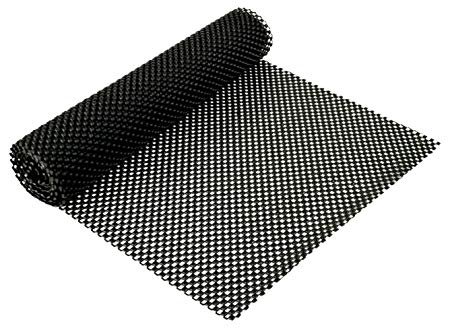
 In environments where electronics are assembled, repaired, or handled, even a tiny static shock can permanently damage sensitive components. That’s where an antistatic mat becomes essential. But what exactly is an antistatic mat — and why should you consider using one?
🔌 What is an Antistatic Mat?
An antistatic mat (also known as an ESD mat) is a specially designed mat — often made of conductive or “static-dissipative” materials (like rubber or vinyl) — that helps neutralize or channel away static electricity.
Unlike ordinary mats, an antistatic mat provides a path for built-up static charge to safely dissipate to ground, preventing dangerous electrostatic discharge (ESD).
Because of this, they are widely used in workbenches, electronics repair desks, server rooms, labs, or anywhere sensitive devices are handled.
✅ Why Use an Antistatic Mat? — Key Benefits
• Protect Sensitive Electronic Components
Static electricity can accumulate on our body, clothes, or on surfaces without us realizing — even simple movements can generate a charge.
If you touch a sensitive component (like a circuit board or microchip) while carrying static, you risk damaging it irreversibly. An antistatic mat provides a safe, grounded surface that prevents this risk.
• Safe Grounding & Controlled Discharge
Antistatic mats are engineered with a controlled low electrical resistance (typically between certain ranges) so that static charges dissipate gradually and safely to ground — rather than spurting out suddenly.
This controlled discharge protects both equipment and the person handling it.
• Prevent Damage & Save Costs
Replacing damaged electronics — especially sensitive components — can be expensive. Using an antistatic mat significantly reduces the chances of ESD-related failures, saving money and avoiding downtime.
• Versatile Use: Workbench, Floor, Lab, Cleanroom
Antistatic mats come in different forms: table/workbench mats and floor mats. Table mats are ideal for soldering, repairs, or component handling — floor mats are suited for workstations or areas where people stand or walk.
This versatility makes them useful not just in electronics repair shops but also in data-centers, labs, manufacturing facilities, and cleanrooms.
• Improved Safety & Ergonomics for Work Environments
In industrial or lab settings, many antistatic floor mats are also designed with safety and comfort in mind — anti-slip surfaces, chemical resistance, abrasion resistance, and even cushioning to reduce fatigue for people standing long hours.
🧰 Who Needs an Antistatic Mat?
You should consider using an antistatic mat if you regularly work with or around:
- Electronic devices — PC hardware, circuit boards, mobile-phone repair, computer assembling.
- Sensitive components — microchips, sensors, memory cards, wiring, semiconductors.
- Workbenches, repair desks, labs, cleanrooms, server-rooms.
- Environments where static buildup is common (carpeted floor, dry climate, frequent friction).
- In short — anytime you handle electronics or sensitive devices, an antistatic mat adds a simple but effective layer of protection.
🔎 Summary: The Core Purpose
At its heart, an antistatic mat is all about control — control of static electricity. By providing a grounded, static-dissipative surface, it ensures that static charges do not accumulate and are safely channeled away. That simple function can mean the difference between safely handling delicate electronics and accidentally destroying them.
For anyone dealing with electronics — whether a DIY hobbyist, repair technician, lab worker, or industrial manufacturer — an antistatic mat is inexpensive, easy to use, and extremely effective.

